

Should You Clean Classroom Keyboards After Each Use
Information technology is something we have all heard a lot about information technology lately. When it comes to cleanliness and preventing the spread of various contaminants, the primal is making certain that the items your hands come up into contact with are make clean and sanitized. Students regularly come into contact with many surfaces in the classroom, and at that place are many types of all-purpose cleaners that work well for them. When it comes to cleaning expensive equipment, even so, it'south ever all-time to know what products are safest to utilize also as effective. This data is especially important now, as schools around the country are distributing classroom computers to their students to use at home for altitude learning. Many are wondering what the best methods for schools disinfecting their devices are, so that they can distribute that information to families caring for devices at home as well. The CDC recommends for electronics, such as tablets, Chromebooks, affect screens, keyboards, and remote controls to follow manufacturer's instructions for cleaning and disinfecting them. If there is no guidance, use alcohol-based wipes or sprays containing a mixture of 70% isopropyl alcohol - xxx% h2o. Dry the surface thoroughly and consider putting a wipe-able cover on all electronics. Check out the following manufacturer's instructions: General Prophylactic Instructions for Cleaning Classroom Technology All-time Practices: Recommended instructions for cleaning classroom computers or tablets: When cleaning applied science you should always unplug and power it down. Unplug all external ability sources, devices, cables, and remove batteries from items similar wireless keyboards. Never make clean a product while it is powered on or plugged in. Disconnect any external devices. Never utilize liquids to the device. Instead, apply the liquid to a textile and wring out any access to prevent whatever impairment. Go on liquids away from the product, unless otherwise noted for specific products. Do not get moisture into any openings. After disinfecting, follow the cleaning procedure from the wipe supplier to minimize chemic buildup of disinfectant residue (i.e. wiping abroad any residual disinfectant after the prescribed contact time). Avoid annoying cloths, towels, newspaper towels, or similar items; utilise a natural fiber or microfiber cloth to avoid whatsoever scratching or streaking when disinfecting. Nigh glass screens (especially smartphone/iPad drinking glass surfaces) have an oleophobic blanket that repels oils from hands and fingers. Avoid excessive wiping, which might as well cause damage. The coating's effectiveness volition lessen over time simply using anything abrasive on the glass volition hasten the loss and scratch the surface permanently. Recall to disinfect whatsoever flexible cables, similar power, keyboard and USB cables, when cleaning your device. Surfaces must exist completely air-dried before turning the device on later cleaning. No moisture should be visible on the surfaces of the product before it is powered on or plugged in. Establish regular cleaning procedures for your devices: We have been seeing a lot of districts ramping up their cleaning procedures with increased frequency and using hospital course disinfectants. Now that near schools are closed, many are even using the opportunity to exercise a deep clean. This is especially important now, equally we combat Covid-nineteen nation-wide, just regularly disinfecting school Chromebooks, laptops, and tablets is ever a expert idea. We suggest getting a set routine for disinfecting these frequently used items in the classroom, which is also crucial in 1:1 take home programs to establish a addiction of cleaning devices. Is it OK to use a disinfectant on my device? It is best to follow the recommendations in your products manual equally in that location are specific cleaners that are best for certain devices and finishes. Using a lxx per centum isopropyl booze wipe you may gently wipe the hard, nonporous surfaces of your product, such every bit the brandish, keyboard, or other exterior surfaces. Avoid backlog wet and getting liquids into whatever openings, and don't submerge your product in any cleaning agents. Don't use on fabric or leather surfaces. Hither are safe things to use: Some manufacturers say that 0.3% or less of Dimethyl Benzyl Ammonium Chloride should be fine for their products. Double check that information technology applies to your specific device earlier using the following: Cleaning keyboards and touchpads To go rid of pesky debris, concur your device upside downwards and gently milk shake it to release large pieces of dirt. Then, use a tin can of compressed air to blow away any smaller particles that are stuck betwixt the keys. If you want to exist extra delicate, you can use a brush to gently make clean each key individually. Use a cleaning cloth with distilled water and gently wipe the touchpad. At present your device volition be nibble-free. Do not permit any moisture to drip into areas like keyboards, brandish panels, etc. Moisture inbound the within of an electronic product tin can cause impairment to the production. Apply a tin of compressed air to remove dust from vents, fans and beneath the keys on your keyboard. Hold the can of compressed air upright and use curt bursts of air to accident out the dust. Note: Always follow the manufacturer instructions for using compressed air. Never use the post-obit when cleaning a device: Annoying Powders Some to look out for: rottenstone, whiting, pumice, volcanic ash, quartz, marble, feldspar, silica, sandpaper, plastic nylon meshes, and peculiarly calcium carbonate. They can be found in powders and pads and harsher cleaners Air Compressors Anything to a higher place 70 CFM (Cubic Feet per Minute) can damage your device Establish in Windex, etc. Benzene is amid the 20 most widely used chemicals in the United States. It is used mainly every bit a starting cloth in making other chemicals, including plastics, lubricants, rubbers, dyes, detergents, drugs, and pesticides. In the by information technology was as well unremarkably used as an industrial solvent (a substance that tin deliquesce or extract other substances) and equally a gasoline additive, simply these uses have been greatly reduced in recent decades. Chlorine (also called Sodium Hypochlorite) Found in Bleach, Clorox Healthcare Bleach Germicidal Wipes, Fantastik All Purpose Cleaner, etc. Methyl Chloride (also chosen as dichloromethane or DCM) Paint Thinners Solvents such as Mineral spirits(US) / White spirit (United kingdom of great britain and northern ireland), Acetone, Dimethyl Ketone, 2-Propanone, Beta Ketopropane, Turpentine, Naphtha, Toluene, Methyl ethyl ketone (MEK), Dimethylformamide (DMF), Ethylbenzene, Xylene, due north-Butyl acetate, Butanol, 2-Butoxyethanol or any of the other glycol ethers.) Peroxides (including Hydrogen Peroxide) If you are in need of back up for your JAR Systems charging carts and stations, please do not hesitate to reach out to u.s.a.. Click here for general instructions on removing charging cables from our products. If your school has come up up with creative solutions for some of the topics discussed feel free to share your ideas as they may be helpful to others.
Apple Samsung Microsoft Dell Panasonic Intel HP Lenovo Acer Asus Toshiba 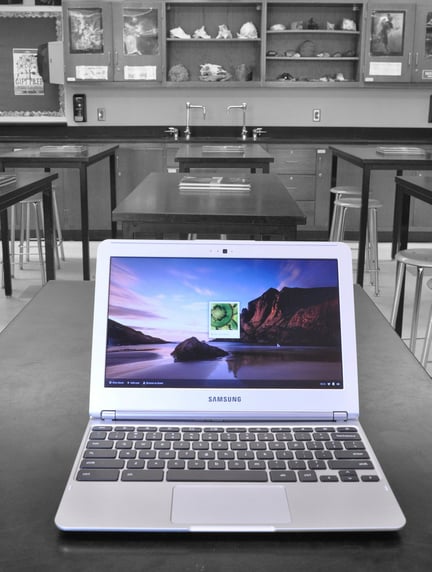
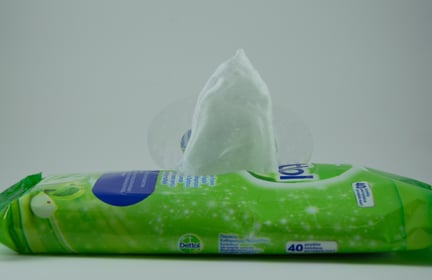
(Depending on where you lot live, you may want to apply filtered or bottled h2o instead of the tap variety.)
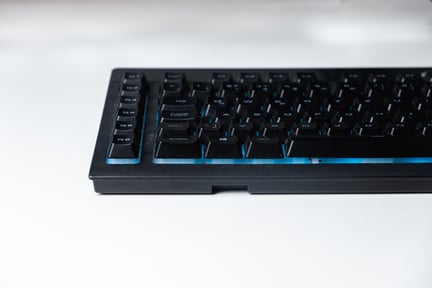
Institute in Lysol Wipes, Clorox Disinfecting Wipes, etc.

Source: https://www.jar-systems.com/blog/k-12-school-to-home-sanitizing-devices-instructions
Posted by: williamsblospas73.blogspot.com
0 Response to "Should You Clean Classroom Keyboards After Each Use"
Post a Comment